Official Media Kit
Press assets, author bios, book metadata, and interview topics for Ilah Raleigh.
About the Book
Behind global sensations like Bad Bunny and Karol G lies a history of migration and powerful expressions of resistance and liberation.
This book explores reggaetón's journey from underground Caribbean party music to its daring catapult into global popularity. Exploring historic locales and artifacts central to reggaetón's evolution, Ilah Raleigh traces the dembow rhythm's deep roots in West Africa and its many migrations across the Americas. She reveals how political struggles, economic realities, and technological innovations powered reggaetón's initial crossover, and how international variations continue to fuel its modern resurgence.
Drawing on exclusive interviews with artists, producers, and cultural insiders, Raleigh charts the genre's evolution from the work of pioneering mixtape DJs like Playero to trailblazing icons like Daddy Yankee, Ivy Queen, and Tego Calderón. She celebrates dynamic newcomers like La Doña, El Malilla, and Cachirula y Loojan, culminating in the endlessly surprising work of Bad Bunny, who leads a new generation of politically astute and fiercely inventive young artists.
Key Metadata List:
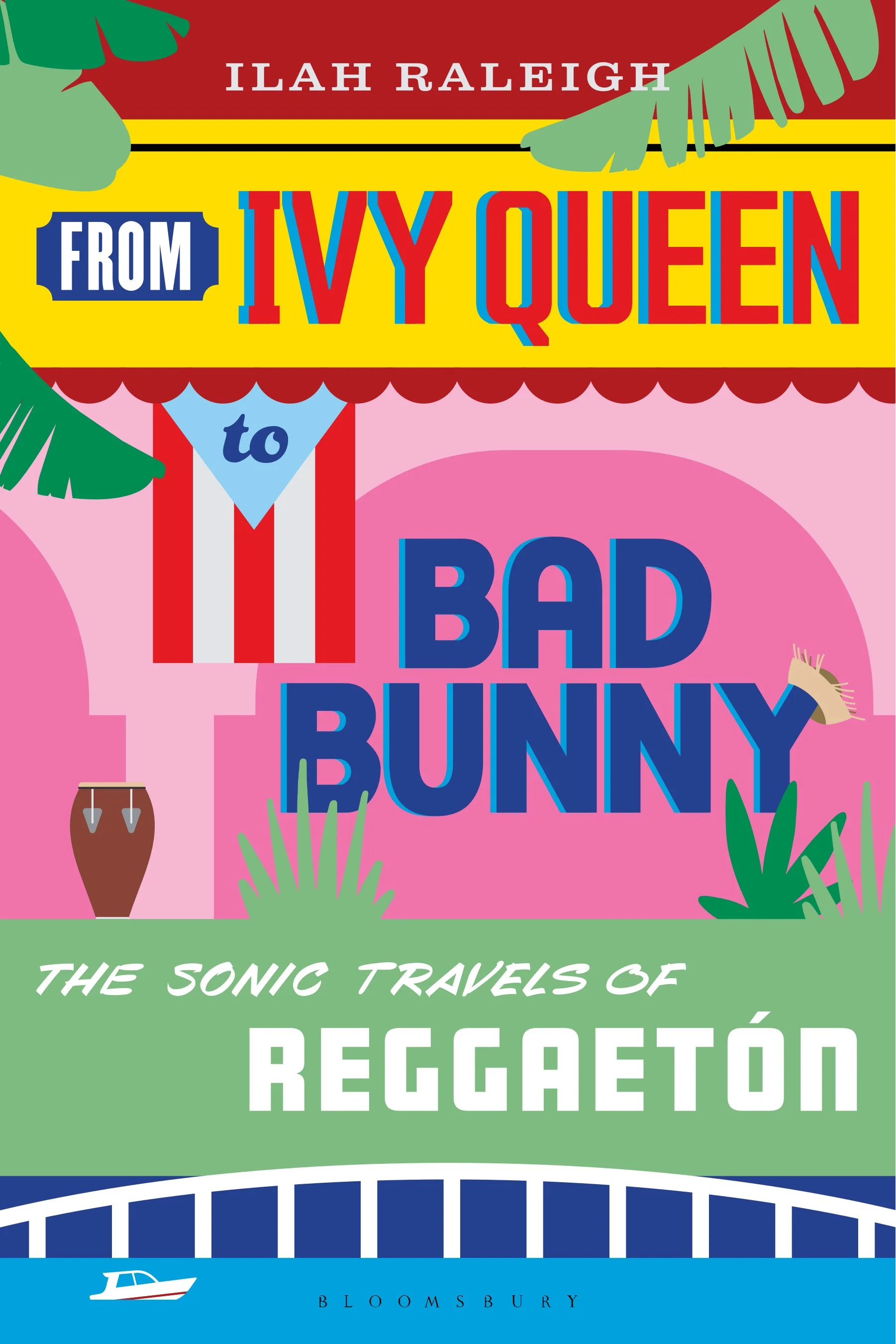
Title: From Ivy Queen to Bad Bunny: The Sonic Travels of Reggaetón
Publisher: Bloomsbury Academic
Release Date: May 2027
ISBN-13: 9798881805043
Format: Hardcover / Digital / Academic Trade
Cover design by Sally Rinehart.
Official Author Bios
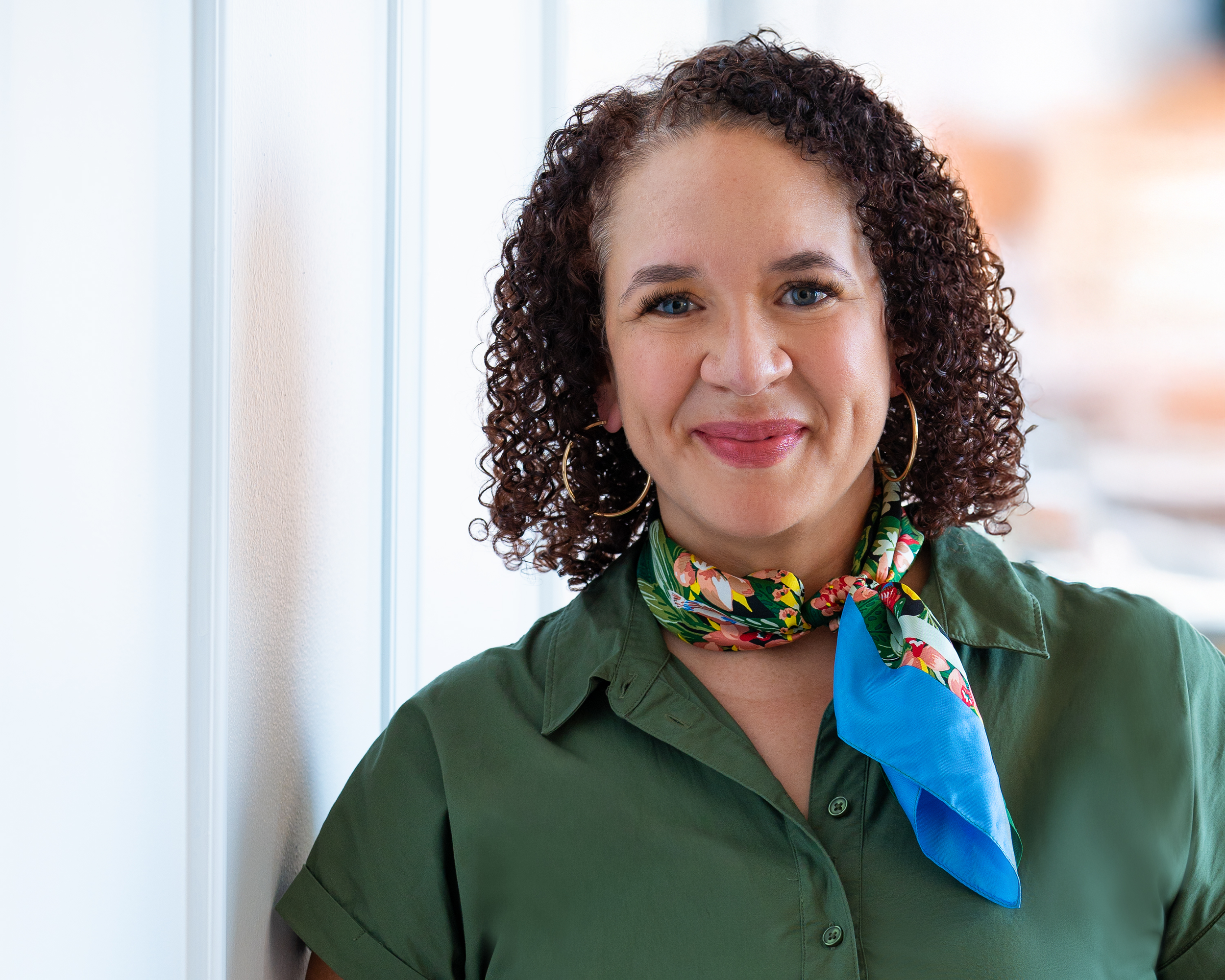
Photo credit: Dani Werner. Approved for editorial and event promo use.
-
Ilah Raleigh, Ed.D. is an author, scholar, and arts executive whose work explores how African diasporic migrations, identity, and popular music shape global culture across the Americas. She is the author of From Ivy Queen to Bad Bunny: The Sonic Travels of Reggaetón (Bloomsbury Academic, May 2027) and serves as Executive Director of Springboard for the Arts. A classically trained vocalist, Dr. Raleigh holds degrees from the Peabody Institute of Johns Hopkins University and the University of St. Thomas.
-
Ilah Raleigh, Ed.D. is an author, arts executive, scholar, and classical vocalist whose work explores how African diasporic migrations, identity, and popular music shape global culture across the Americas.
She is the author of From Ivy Queen to Bad Bunny: The Sonic Travels of Reggaetón (Bloomsbury Academic, May 2027), an investigation into how a marginalized Afro-Caribbean street music evolved into a dominant force in global pop culture. Dr. Raleigh’s research examines how musical genres cross geographical, social, and cultural borders—tracing the migration of rhythms, technological innovations, colonization, and gender politics from Ivy Queen's barrier-breaking anthems to contemporary global urban icons like Bad Bunny.
As a classically trained vocalist, Dr. Raleigh’s performance career spans bel canto traditions, African American and Spanish art songs, and contemporary premieres—including My Name is Florence (Boykin) and Terce (Christian). Her foundational vocal training under Giulietta Simionato in Milan, Italy, laid the groundwork for a lifelong engagement with the cultural politics of sound.
Alongside her research and artistic work, Dr. Raleigh serves as Executive Director of Springboard for the Arts, following her leadership as PK-12 Director of Visual and Performing Arts at The Blake School. She holds a B.A. in Italian Studies from the University of Minnesota, an M.M. in Vocal Performance from the Peabody Institute of Johns Hopkins University, and an Ed.D. in Educational Leadership from the University of St. Thomas. She lives in the Twin Cities area and writes regularly on genre, culture, and identity.
Media Note: Highlight and copy the text above for event programs, press releases, or host introductions.
Suggested Interview Angles & Discussion Topics
Rhythm Across Borders: The Global Travels of the Dembow Beat How a 3.3.2 Afro-Caribbean rhythmic cell migrated from West Africa through Jamaican dancehall and Panamanian reggae en español to Puerto Rico, ultimately dominating global streaming charts.
Women Defining the Movement: Agency, Identity, and Power Looking beyond male megastars to examine how trailblazers like Ivy Queen, Karol G, and Cachirula introduce themes of female agency, body autonomy, and liberation in their barrier-breaking anthems.
Home Studios & DIY: The Tech That Democratized Reggaetón How home recording setups, the underground cassette mixtape economy, and FruityLoops empowered street musicians to bypass the music industry and launch a global cultural movement from their bedrooms.
Sample Discussion Questions
-
Takeaway: Combines 30 years of personal fandom, ignited while studying opera in Milan, with over a decade of teaching, research, and writing on music genre, identity, and the migration of cultures across the Americas.
-
Takeaway: Traces how the 3.3.2 Afro-Caribbean rhythmic pattern carries centuries of West African heritage across Jamaica, Panama, Puerto Rico, Colombia, and Mexico, proving its global physical impact is rooted in deep Afro-diasporic history and culture.
-
Highlights how Ivy Queen staked her territory in the male-dominated 1990s underground scene, creating the blueprint for modern stars like Karol G and Cachirula to push back against machismo and assert their agency.
-
Takeaway: Explores how early street music survived police harassment and political scapegoating to become a voice of anti-colonial resistance, a tradition continued today by artists like Bad Bunny.
-
Takeaway: Examines the tension between global stadium success and local preservation, showing how artists across Puerto Rico, Colombia, the Dominican Republic, and Mexico maintain regional identity amidst algorithm-driven flattening.
-
Takeaway: Demonstrates how artists like Bad Bunny and Rauw Alejandro broke the traditional "English crossover" requirement by topping global charts entirely in Spanish and Puerto Rican vernacular, shifting pop culture's center of gravity.
-
Takeaway: Bridges scholarly analysis with community leadership, framing street music as essential public art that preserves culture, resists erasure, fuels local economies, and sparks socio-political change.
-
Takeaway: Invites audiences to listen deeper, moving beyond viewing reggaetón as a shallow party music to recognizing it as a sophisticated, historically layered, and politically vital artistic movement.
Press & Media Inquiries
Speaking, Podcasts & Event Bookings
Click a button below to navigate to a different page.